Starting a Small Indoor Herb Garden: A Calm Checklist of Common Mistakes and How to Fix Them
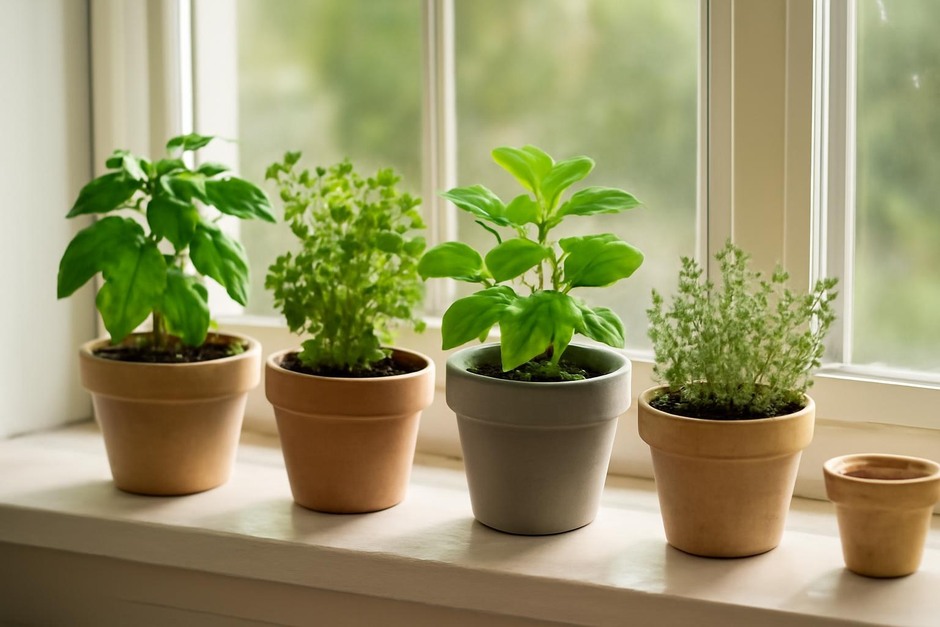
Observation: the ease of collecting a few herb pots for a windowsill belies the number of small, repeatable errors that can slow growth or invite needless frustration. A calm checklist that points out common mistakes and simple corrections tends to do more for a confident kitchen garden than a long list of exotic techniques.
1. Light and Placement: Mistake — Misjudging the Light Your Herbs Actually Need
- Mistake: Placing all herbs on a single south-facing sill and expecting equal results.
- Why it matters: Herbs vary — basil and rosemary prefer bright, direct light, while parsley and chives tolerate gentler, indirect light.
- Correction: Observe the light through the day. Use the sunniest spot for sun-loving herbs and a nearby, slightly shaded spot for more tolerant varieties. Rotate pots weekly to prevent lopsided growth.
- Practical tip: If natural light is limited, consider grouping lower-light herbs together and supplementing with a small, cool-white grow bulb for 4–6 hours each day.
2. Watering and Humidity: Mistake — Watering by Calendar Instead of by Plant Need
- Mistake: Watering every three days because that’s the rule you remember.
- Why it matters: Soil moisture fluctuates with pot size, light, temperature and humidity. Overwatering suffocates roots; underwatering stresses plants.
- Correction: Check moisture with your finger an inch into the soil. Water when the top inch feels dry for most herbs. Adjust frequency seasonally and after moving a pot to a different light level.
- Practical tip: Use pots with drainage holes and a saucer to catch excess. Improve ambient humidity for Mediterranean herbs by placing pots on a pebble tray with a shallow water layer, keeping pot bases above the water line.
3. Soil, Pots and Drainage: Mistake — Using Garden Soil or Overly Heavy Mixes
- Mistake: Filling pots with outdoor garden soil or a heavy mix that retains too much moisture.
- Why it matters: Indoor pots need a light, well-draining medium. Heavy soils compact, impede root oxygen and increase root-rot risk.
- Correction: Choose a quality potting mix formulated for containers, often labeled for herbs or vegetables. For better drainage, blend in up to 20% perlite or coarse sand.
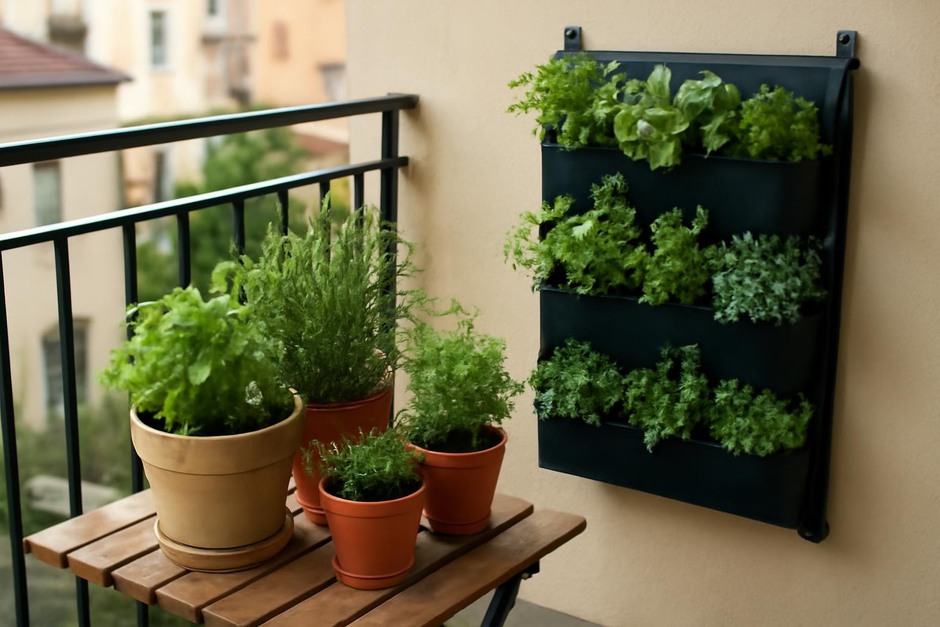
- Practical tip: Match pot size to the herb: small herbs like thyme do well in modest pots, while basil and parsley thrive in slightly larger containers that allow more root development.
4. Harvesting, Pruning and Seasonal Care: Mistake — Treating Herbs as Decorative Instead of Edible Plants
- Mistake: Letting herbs become woody or go to seed because you avoid cutting them frequently.
- Why it matters: Regular harvesting encourages bushier, healthier growth. Allowing flowering or seed-setting often reduces leaf quality.
- Correction: Harvest with intent: pinch or snip stems above a pair of leaves to encourage branching. For basil, remove flower buds to keep leaves tender; cut back woody stems on rosemary or sage to stimulate fresh shoots.
- Practical tip: Plan a gentle seasonal refresh: repot annually or every two years, trim long stems in late spring, and move herbs to brighter light in winter where possible. If a plant declines, consider propagation from a healthy cutting rather than starting from seed immediately.
Measured Conclusion
A small indoor herb garden succeeds less by bold interventions than by steady, observant care: matching light to plant preferences, watering when the soil asks for it, choosing the right potting mix and encouraging growth through regular harvesting. Keep this calm checklist nearby as you arrange pots and plan meals — correcting a single predictable mistake often restores balance to the whole little ecosystem.
Final reminder: experimentation is part of the pleasure. Try small adjustments, note their effects, and let the herbs guide the pace. Over time, habits that feel natural will replace the early missteps, and your kitchen will hold both flavor and a quiet sense of well-tended growth.